
New Mexico State University’s Department of Fish, Wildlife and Conservation Ecology marks a milestone this fall as the first cohort in its new Ph.D. program begins classes.
Six students began the program earlier this month, and two additional students are expected to start in January. All will be trained to become experts and leaders in conserving the Southwest’s fragile ecosystems. It is the first doctoral program of its kind in New Mexico that addresses regional ecological challenges and workforce needs by combining rigorous coursework, applied research opportunities and hands-on learning experiences.
“The program is off to a stellar start,” said Martha Desmond, department head and Regents professor. “Our first group of students has hit the ground running, and we’re excited to see what they accomplish in the coming months and years. No doubt, they will contribute outstanding scholarly work that not only bolsters NMSU’s standing as a research institution but also plays a critical role in conserving our threatened ecosystems across the Southwest.”
One of the cornerstones of the program is a weekly seminar series designed to help students engage with national and international experts across the field of fish, wildlife and conservation ecology. The series launches Aug. 28 and will be held most Friday afternoons throughout the fall and spring semesters. It is free and open to the Las Cruces community as well as NMSU faculty, staff and students.
“We hope our seminars create a community around science and an open exchange of ideas, which is important when you’re mentoring graduate students,” Desmond said. “We want to expose them to people not just from New Mexico, but from other parts of the country and other parts of the world and other scientific viewpoints.”
The slate of speakers this fall includes a mix of conservation experts from state and federal agencies, universities, a law firm and a high school. The schedule is as follows:
- Aug. 28: Jena Nierman of New Mexico Department of Wildlife will present “Guano see something cool? Non-game mammal research by New Mexico Department of Wildlife and a career path as a mammalogist.”
- Sept. 11: Thomas Riecke of University of Montana will present “Causal demographic models.”
- Sept. 18: Nate Upham of Arizona State University will present “No mammal is an island: What evolutionary history tells us about species, interactions and emerging diseases.”
- Sept. 25: Evan Grant of the USGS Eastern Ecological Science Center will present “Disease decision analysis to inform conservation decisions for imperiled amphibians.”
- Oct. 2: Georgia Titcomb of Colorado State University will present “Integrating ecology, molecular methods and one health to study parasites across human and animal communities in Madagascar.”
- Oct. 9: Madison Miller of NMSU will present “An assessment of disease risk, population genetics, and spatial ecology of Appalachian cottontails (Sylvilagus obscurus) and snowshoe hares (Lepus americanus) in West Virginia.”
- Oct. 16: Dan Shaw of the Bosque School will present “CEBRIN Field & Community Science Program - Teaching Civic Engagement through Bosque Research & Investigating Nature.”
- Oct. 23: Javan Bauder of University of Arizona and USGS CRU will present “Modeling species-landscape relationships across scales to inform conservation.”
- Oct. 30: Nicholas Burgmeier of Purdue University will present “Help the hellbender: Hellbender conservation in Indiana”
- Nov. 13: Jesse Miles of Beveridge and Diamond PC will present a discussion of current wildlife legal issues.
- Nov. 20: Erica Christensen of NMSU will present “Patterns of long-term change in plant and animal communities in the arid Southwest U.S.”
- Dec. 4: Dan Neubaum of Colorado Parks and Wildlife will present “Avoiding bat dogma: Why ecoregional difference of broad-ranging species matter.”
“We hope the community comes out to hear our incredible speakers,” Desmond said. “This is a great way for people who are excited about similar things to gather, and it gives them a chance to interact with our department and our renowned speakers.”
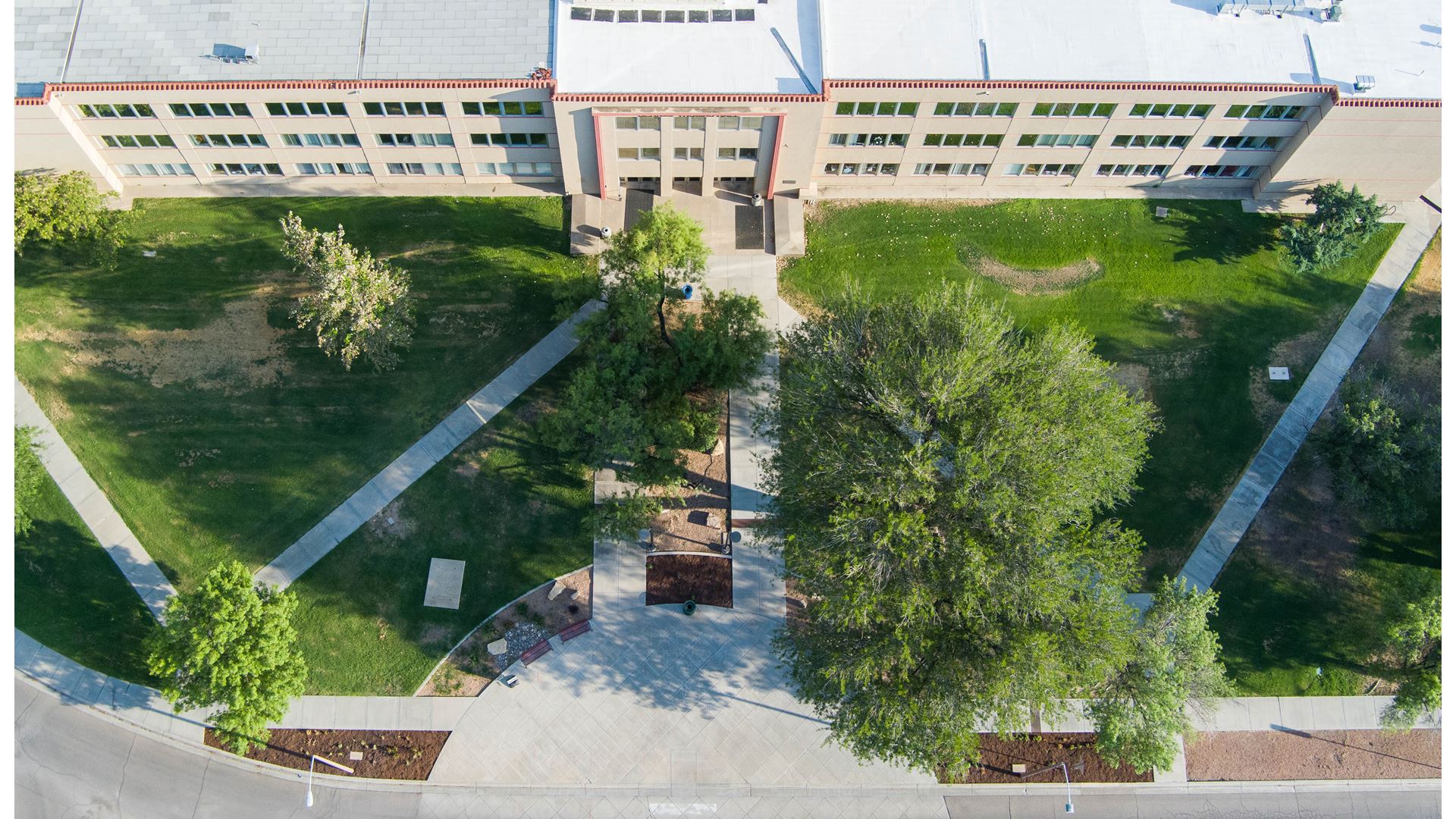
The talks will take place from 2 to 3 p.m. in Gerald Thomas Hall, Room 336. No registration is required. The presentations will also be livestreamed via Zoom. Anyone who would like to join the email list can send a request to FWCE@nmsu.edu, with a subject line containing “FWCE Seminar Series Listserv.” Individuals on the list will have access to the Zoom link and will receive weekly seminar notifications.
For more information, visit https://fwce.nmsu.edu/documents/FWCE-Fall-2026-Seminar-series.pdf.
-30-