
More than a quarter of adults in the United States say they or a family member have been negatively affected by public health misinformation, and about 70% consider it a serious problem, according to a new study by New Mexico State University researchers.
The findings were published earlier this month in the Journal of Community Health in one of the first comprehensive studies to examine exposure to public health misinformation, health information sources and health status among adults in the U.S.
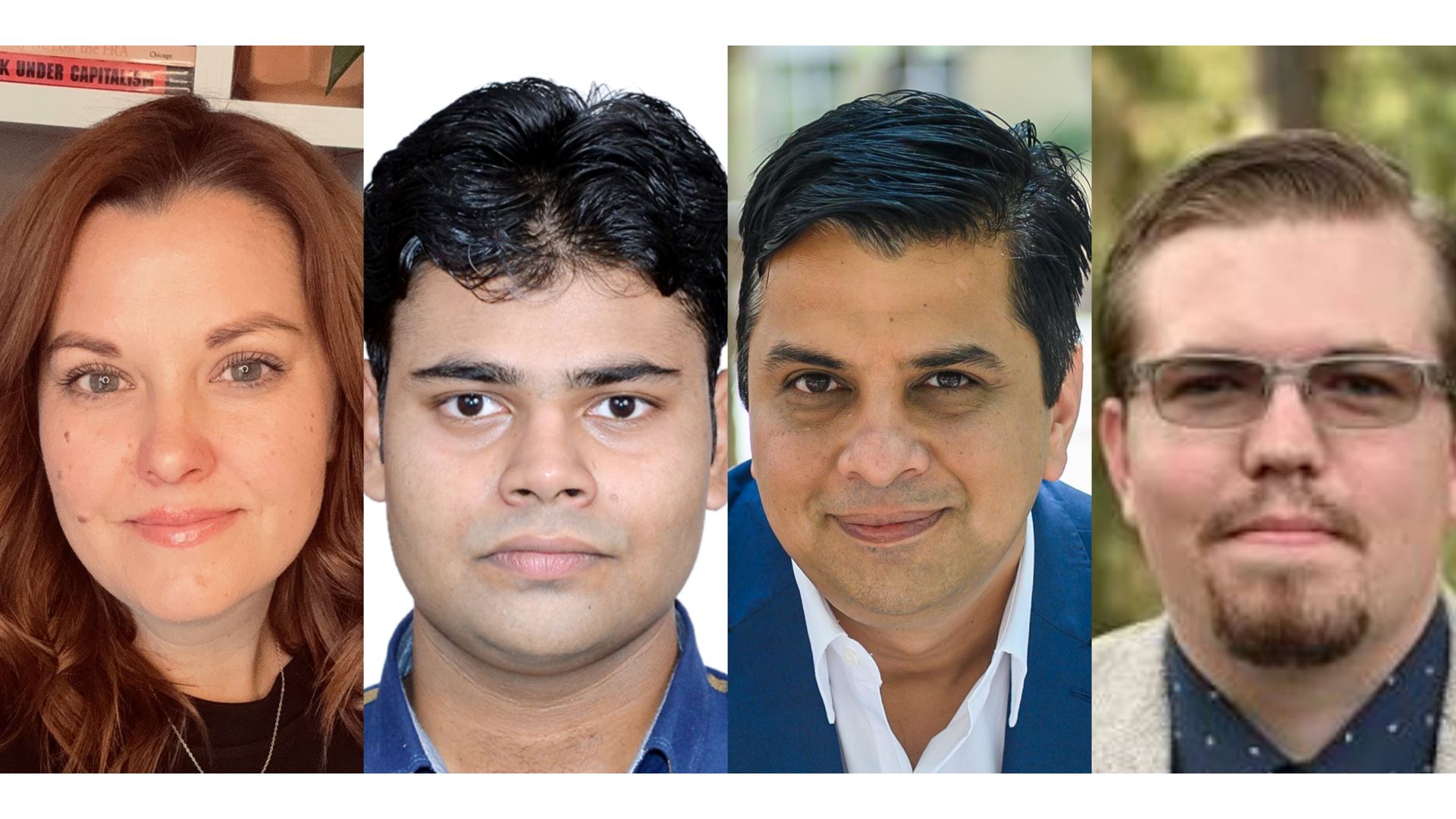
The study was a collaboration between two NMSU professors, Jagdish Khubchandani of the Department of Public Health Sciences and Heather Harper of the Department of Sociology, and two students, Luke Burks and Sanuj Kumar. Former NMSU faculty member Marshall Taylor also contributed to the project.
“Health misinformation exposure is a very important understudied public health topic that, if left unaddressed, can negatively impact the health and social outcomes of individuals from diverse sociodemographic backgrounds,” said Burks, an NMSU doctoral degree student in health equity sciences.
The study included a sample of 1,037 American adults recruited through an online stratified random sampling approach. More than a fourth, or 27%, reported that they or a family member had been negatively affected by public health misinformation, and 70% considered it a serious or very serious problem.
The study also identified groups more likely to report negative effects from health misinformation. Respondents who identified as Hispanic, lived with three or more other people, had a chronic disease, or had more than one emergency department visit in the past year had the highest likelihood of reporting negative impacts of health misinformation. In contrast, people with very good or excellent health and older adults had a lower probability of reporting negative impacts of health misinformation.
The researchers also found that healthcare providers were the most frequently relied-upon source of health information, with 41% of respondents saying they always or very often get information from a provider.
Social media was the channel most often linked to misinformation: 24% of respondents said they always or very often received misinformation from social media sites, compared with 18% from news media and 10% each from family members and healthcare providers.
More than half of the respondents, about 53%, received health information from at least one government agency over the past year, according to the study. YouTube was the most-used platform for health information (48%), followed by Facebook (41%) and Instagram (32%). More than a fourth of respondents, about 28%, reported using artificial intelligence tools or chatbots for health information.
When asked to reason why health misinformation spreads, the participants cited political divide (36%), growth of social and mass media (34%), the public’s lack of knowledge or education (33%), certain groups benefit from spreading it (33%), and declining trust in government (31%). More than half of the participants, about 51%, said they could easily spot misinformation, and more than a fourth, about 26%, acknowledged having shared health misinformation with others.
The vast majority believed that health misinformation negatively affects physical health (79%) or mental health (80%). Respondents named healthcare providers (70%), the federal government (69%) and news media agencies (69%) as having a major role in reducing the spread of health misinformation.
“In the 21st century, Americans are seeking health information from many more sources and, simultaneously, getting exposed to a large volume of misinformation,” said Khubchandani, the study’s lead author. “We need urgent, coordinated and cross-sector action to protect people from health misinformation. Through this study, we are calling for clinician-led counseling on misinformation, greater platform accountability, and expanded health literacy efforts targeted to the groups most affected.”
To read the study, visit https://pubmed.ncbi.nlm.nih.gov/42975802/.
-30-
A research team at New Mexico State University has found that more than a quarter of adults in the United States have been negatively affected by public health misinformation. The team included, from left, Heather Harper, Sanuj Kumar, Jagdish Khubchandani and Luke Burks. (NMSU and courtesy photos)