

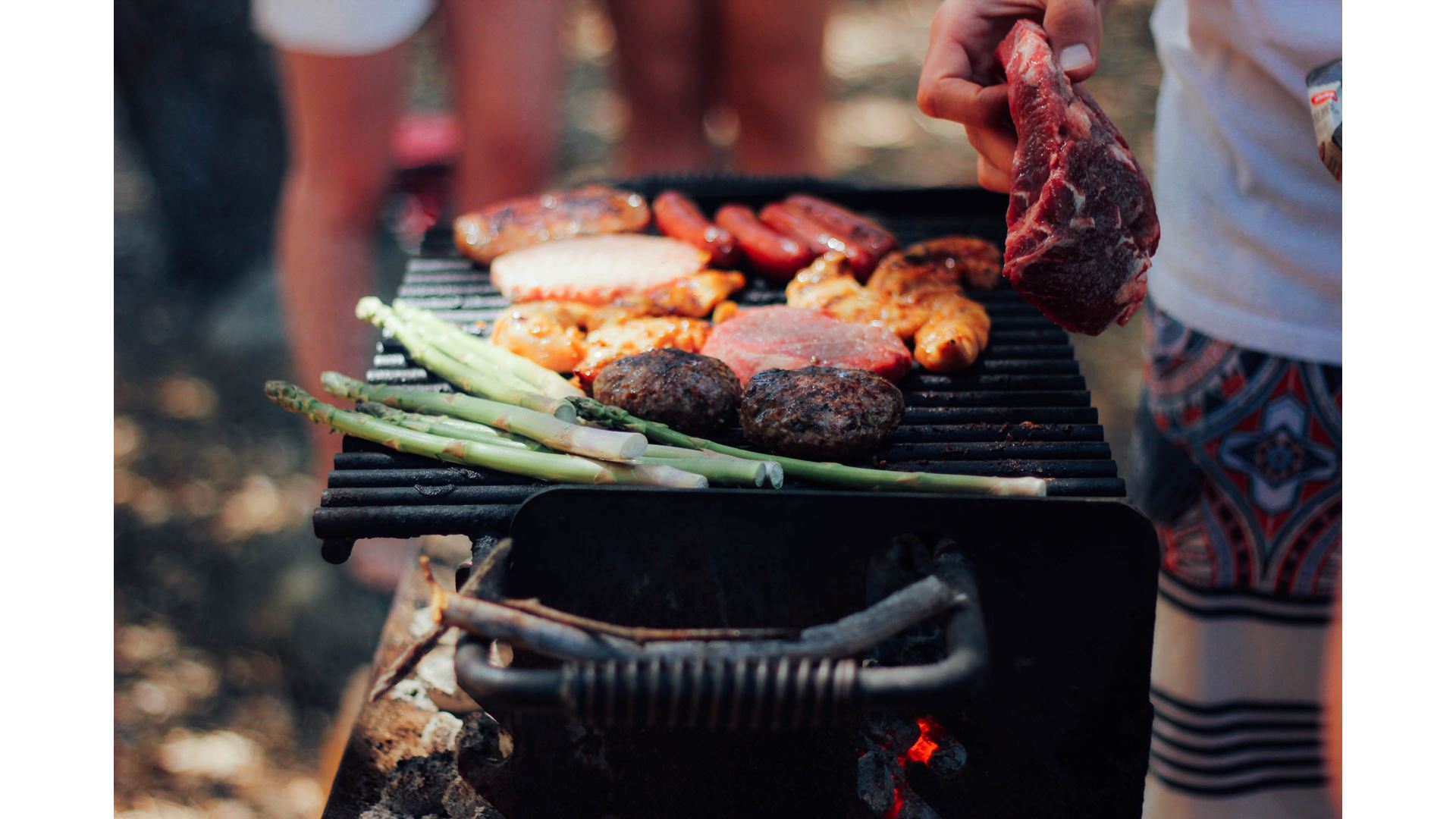
As many Aggies are enjoying spring break this week, the NMSU Fire Department has tips on how to stay safe when having a barbecue.
Fire is one of the most destructive elements that you invite into your environment while you are barbecuing. Every year, many barbecue fires have contributed to injury, death and thousands of dollars’ worth of damage. Barbecues are prohibited in NMSU campus housing facilities. Written approval from NMSU’s Fire Department is required two weeks prior to any outdoor event on campus that may involve an open flame.
Fire safety is the No. 1 factor that needs to be enforced while having an open flame from a barbecue.
- Campus residents should refer to Housing and Residential Life guidelines.
- Never leave a grill unattended. Assign a person to manage your grill at all times.
- Never grill in enclosed spaces like garages, porches or under low eaves. Ensure the grill is at least 25 feet away from any structure to allow smoke to dissipate freely.
- Keep the cover of your grill nearby while there are open flames. A cover can be used to suppress flames quickly and starve the grill of oxygen if flames get too high.
- Have water and a fire extinguisher handy. An extinguisher is an effective tool against charcoal flames.
- Used charcoal must be left in the grill until cold to the touch or thoroughly soaked in water before disposal.
- There are two charcoal disposal containers on NMSU main campus. The locations are: 1) Student tailgate area in Sisbarro Park and 2) next to the Administrative Building D at Chamisa Village near the beach volleyball area.
- When using a charcoal grill, flammable charcoal lighter fluid must be used prior to lighting. Do not add lighter fluid after the charcoal is already lit. If more charcoal is required, add pre‐soaked coals.
- Protective gloves or cooking mittens can be used to protect against possible burns.
- Always call 911 in case of an emergency.
We all may love the delicious aromas coming from the grill, but there are also toxins in the air from your grill or smoker that are best not to breathe in. If you are manning the grill:
- Stay upwind: Position yourself so the wind carries smoke away from your face and body.
- Use long-handled tools: Tools like extra-long tongs and spatulas will create physical distance between you and the smoke source.
- Wear a mask: In heavy smoke conditions, a basic mask can help filter out some particulate matter.
- Post-grill hygiene: Change your clothes immediately after grilling and wash your skin and hair. Toxic particles can saturate clothing and continue to be absorbed through the skin long after you've finished cooking.
- Partial pre-cooking: Partially cooking meats in a microwave or oven before finishing them on the grill significantly reduces the total time you (and the food) are exposed to high-heat smoke.
Other important tips:
- Make sure to read all instruction/safety manuals that come with your grill.
- Always practice safe cooking. See guidelines from the National Fire Protection Association.